
How CPAs help organizations build trust in a digital world
November 18, 2026
BIRMINGHAM, Alabama – As organizations grapple with cybersecurity threats, data privacy concerns, fraud risks and increasingly complex technology environments, many business leaders are discovering the value of advisers who understand both business and risk.
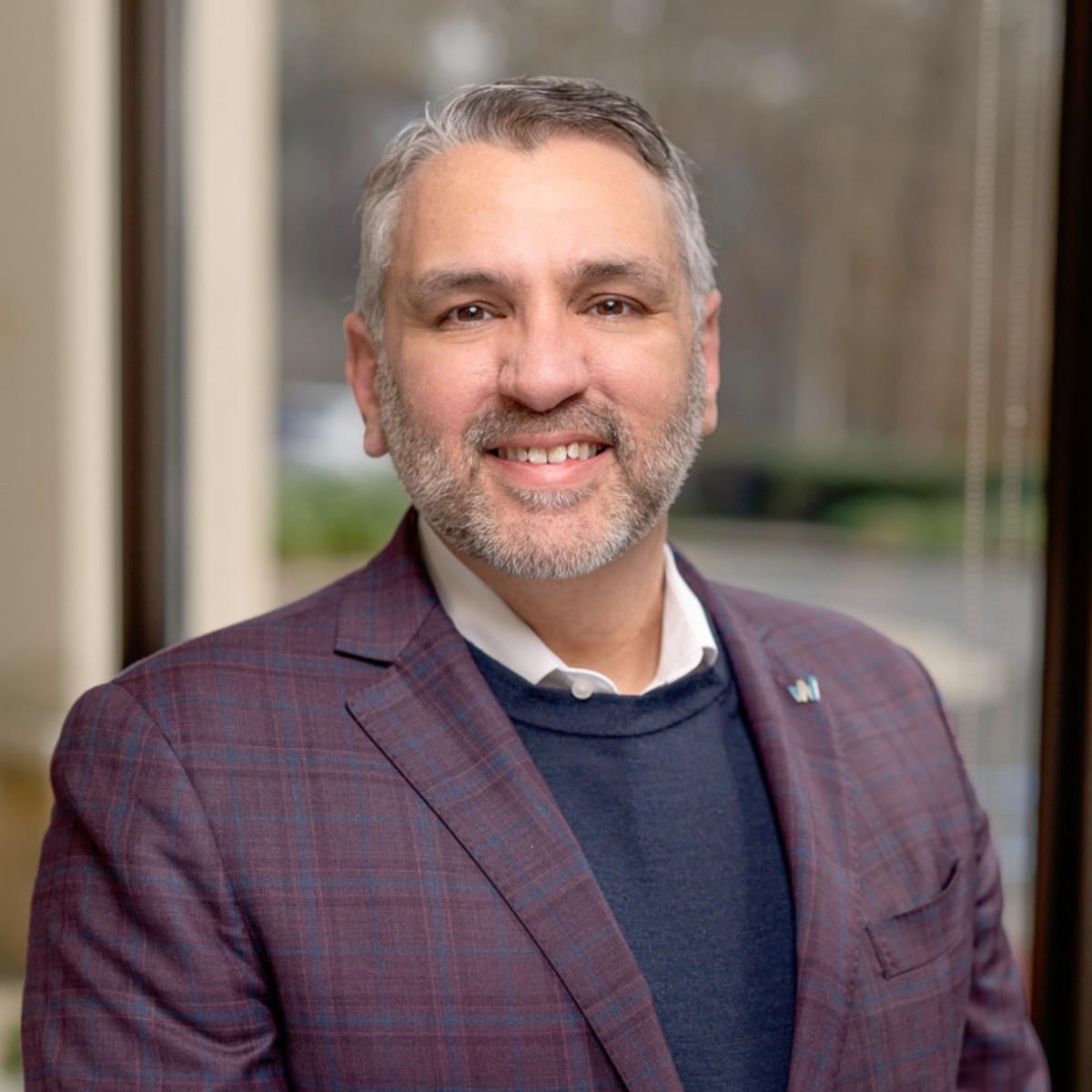
That’s where CPAs like Paul Perry come in. A partner with the Southeast accounting firm Warren Averett, Perry leads the firm’s Risk Advisory and Assurance Practice. He helps organizations strengthen controls, manage risks and build trust in the systems they rely on every day.
Over the past two decades, Perry’s career has evolved from traditional financial statement auditing into areas many business leaders may not immediately associate with the CPA profession, including cybersecurity, technology risk assessments, data analytics and System and Organization Controls (SOC) reporting.
His work focuses on helping organizations understand where risks exist – whether those risks involve financial processes, technology systems or sensitive data. Perry holds the Certified Information Technology Professional (CITP) credential, a designation for CPAs with expertise at the intersection of technology and financial reporting.
“The first thing we care about is making your organization better,” Perry said.
That philosophy is what energizes him most. Perry works with clients to understand where they can act quickly to create meaningful improvements.
“It can be overwhelming to receive a long list of recommendations,” he says. “What we help organizations do is determine which actions will address the greatest risks first … .”
“People rely on me to know what activities and controls they need to put in place to better secure their data, their money, or their systems, whether those systems are human-related or computer-related,” Perry said.
That combination of business insight, analytical rigor and practical advice is particularly valuable in areas such as cybersecurity.
“A CPA understands how a business works,” he explains. “When you combine that business understanding with knowledge of technology, cybersecurity and risk, you gain a 360-degree view of the organization.”
Another key area in which CPAs leverage their knowledge of internal controls and fraud and forensic accounting knowledge is helping businesses investigate issues or settle disputes. One example involved a company facing a multimillion-dollar repayment claim related to its billing practices. By applying data analytics and carefully examining years of transactional information, Perry and his team were able to isolate the key issues and provide evidence that challenged the claim. Ultimately, the company avoided a financial outcome that could have threatened its future and risked jobs.
The experience highlights another role CPAs often play: helping organizations find clarity in moments of uncertainty.
“Data doesn’t lie,” Perry says. “Trust requires concrete evidence.”
For Perry, trust ultimately comes down to helping people make informed decisions and providing peace of mind when challenges arise.
Need greater confidence in the systems, processes and data your business depends on? A CPA can help you make better-informed decisions.
Whether you’re evaluating cybersecurity safeguards, seeking assurance over critical systems or navigating complex business challenges, a trusted CPA can provide the independent insight and peace of mind needed to move forward with confidence. Learn more about the unique CPA trust factor.